Low Calorie Snacks for Weight Loss: 25 Healthy Ideas
Quick Answer
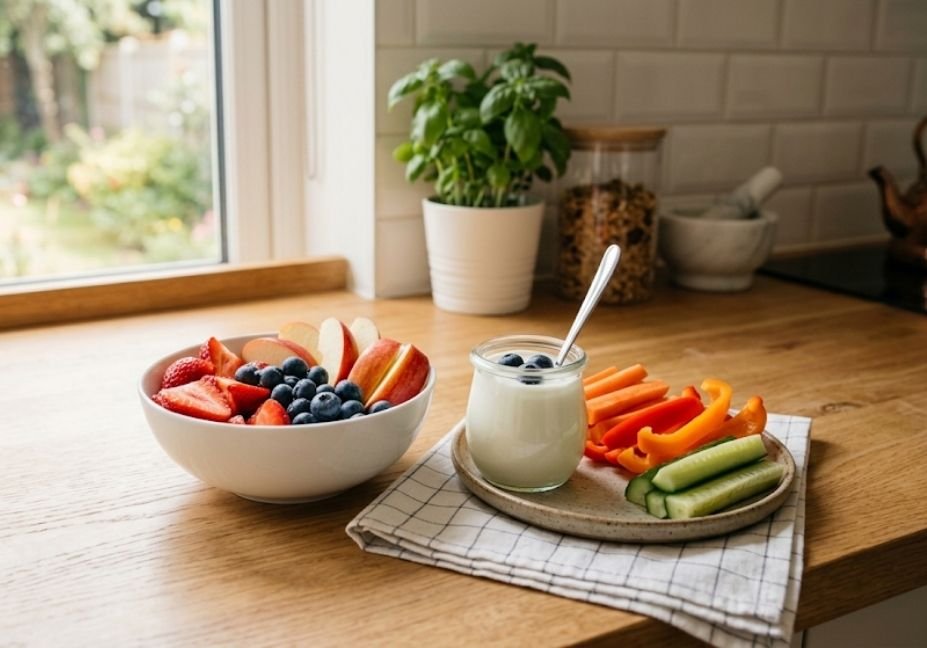
The best low calorie snacks for weight loss combine foods that provide volume, fiber or protein without adding too many calories. Good choices include fresh fruit, vegetables with hummus, Greek yogurt, boiled eggs, air-popped popcorn and cottage cheese.
A snack does not automatically help with weight loss just because it is low in calories. Portion size and your total daily calorie intake still matter.
What Makes a Good Weight Loss Snack?
A useful snack should satisfy hunger without using a large portion of your daily calorie budget.
Foods with plenty of water and fiber can provide more volume for fewer calories. Fruits and vegetables are good examples because they contain water, fiber, vitamins and minerals.
Protein can also make a snack more satisfying. Greek yogurt, eggs, cottage cheese and other protein foods can work well between meals.
The goal is not to make every snack as small as possible. Instead, choose a portion that fits your hunger and overall eating plan.
25 Low Calorie Snacks for Weight Loss
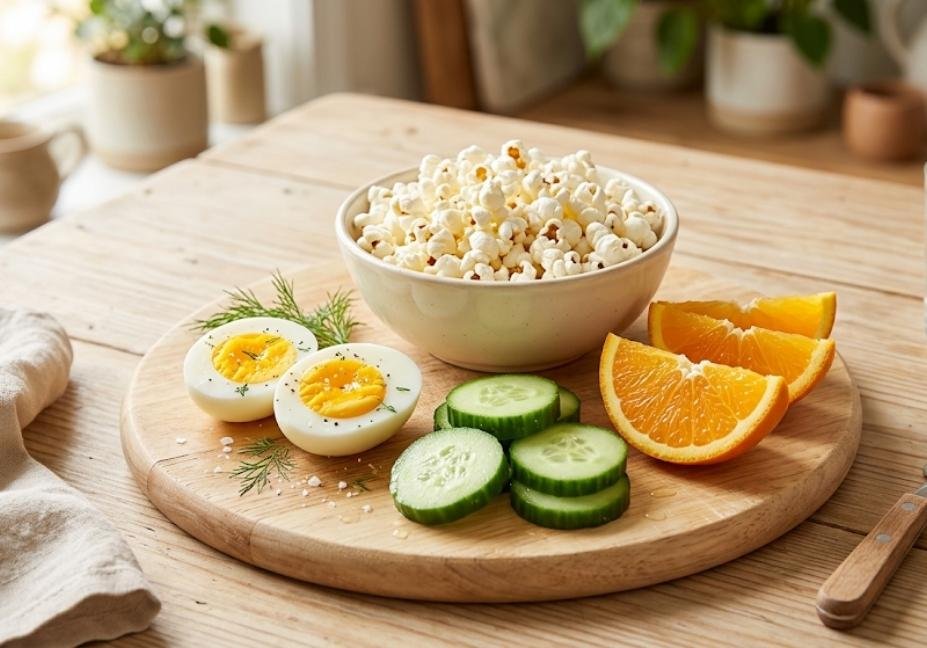
Here are practical snack ideas that can fit into a calorie-conscious eating plan.
| Snack | Approx. Calories* | Why It Works |
| Small apple | 60–80 | Fiber and water |
| 1 cup strawberries | 45–55 | Low calorie and high volume |
| 1 cup blueberries | 80–85 | Fiber and antioxidants |
| Medium orange | 60–70 | Water and fiber |
| 1 cup cucumber slices | 15–20 | Very low calorie |
| Carrot sticks | 40–50 | Crunchy and fiber-rich |
| Bell pepper slices | 25–40 | High water content |
| 3 cups air-popped popcorn | 90–100 | High volume |
| 1 boiled egg | 70–80 | Protein |
| Plain Greek yogurt | 80–120 | Protein-rich |
| Cottage cheese | 90–110 | Protein and calcium |
| Hummus with cucumber | 70–100 | Fiber and plant protein |
| Celery with 1 tsp peanut butter | 50–60 | Crunch plus healthy fat |
| Light cheese stick | 50–80 | Protein |
| Edamame | 100–120 | Protein and fiber |
| Small banana | 90–105 | Convenient energy |
| Kiwi | 40–50 | Fiber and vitamin C |
| Melon | 45–60 | High water content |
| Tomato with black pepper | 25–35 | Light and refreshing |
| Vegetable soup | 70–120 | Warm and filling |
| Greek yogurt with berries | 100–140 | Protein and fiber |
| Apple with 1 tsp peanut butter | 100–120 | Fiber and fat |
| Whole-grain crackers with cottage cheese | 120–150 | Protein and whole grains |
| Carrots with 2 tbsp hummus | 100–120 | Fiber and protein |
| Air-popped popcorn with herbs | 90–110 | Crunchy and filling |
*Calories are approximate and can vary by brand, preparation method and serving size.
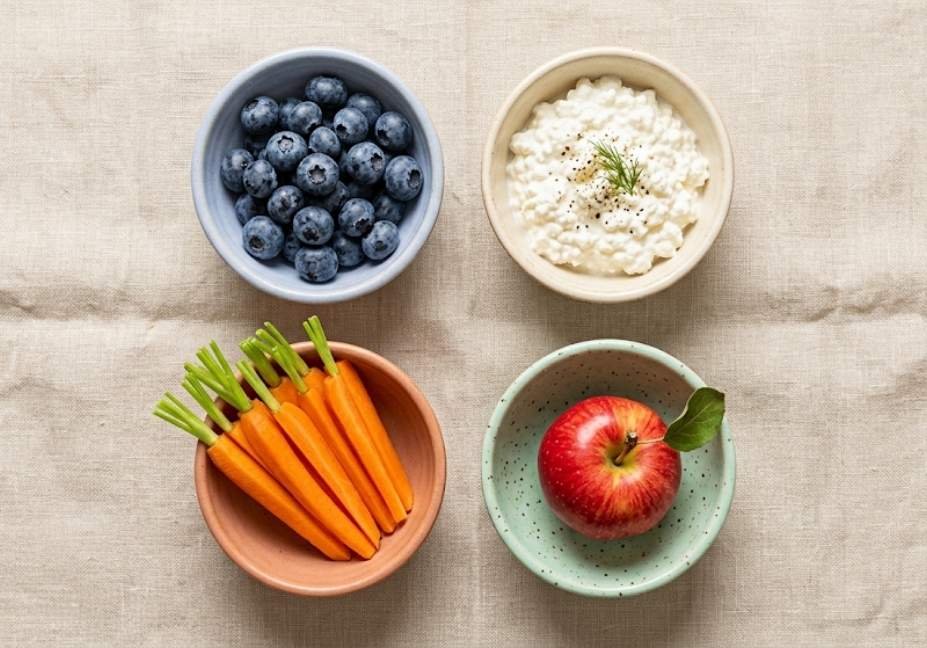
Many of these choices are consistent with CDC guidance for nutritious snacks, including fruit, vegetables, yogurt, nuts, seeds, hummus, cheese and popcorn.
1. Fresh Fruit
Fresh fruit is one of the easiest snack options.
Try:
- Apple
- Orange
- Kiwi
- Strawberries
- Blueberries
- Grapes
- Melon
- Peach
Whole fruit is generally a better choice than fruit juice when you want more fiber and fullness. CDC guidance also recommends choosing whole fruit rather than juice.
2. Greek Yogurt
Plain Greek yogurt can provide protein without a large number of calories.
Add strawberries or blueberries for sweetness and extra fiber.
Check the label when buying flavored yogurt because some varieties contain substantial amounts of added sugar.
3. Air-Popped Popcorn
Air-popped popcorn can give you a large serving for relatively few calories.
Mayo Clinic lists 3.5 cups of air-popped popcorn at about 109 calories, although the exact number depends on the serving and preparation.
Avoid loading it with butter, caramel or large amounts of oil. For flavor, try paprika, black pepper, garlic powder or dried herbs.
4. Boiled Egg
A boiled egg is a simple protein-rich snack. It is especially useful when you want something savory instead of sweet. Pair it with cucumber or tomato if you want more volume without adding many calories.
5. Vegetables With Hummus
Cucumber, carrots, bell peppers and celery work well with a small serving of hummus.
Hummus adds some protein and fat while vegetables provide water and fiber. The key is portion control because hummus is more calorie-dense than most raw vegetables.
6. Cottage Cheese
Low-fat cottage cheese can be a filling snack because it provides protein. You can eat it with cucumber and black pepper for a savory option. For something sweeter, add a small serving of berries.
7. Apple With Peanut Butter
Apple slices provide fiber and water. A small amount of peanut butter adds fat and protein, which can make the snack more satisfying. Keep the peanut butter portion small because nuts and nut butters are calorie-dense.
8. Carrot Sticks
Carrots are crunchy, naturally sweet and relatively low in calories. A medium carrot contains about 25 calories according to Mayo Clinic’s energy-density guidance. Eat them plain or pair them with a small amount of hummus.
9. Cucumber With Lemon and Black Pepper
Cucumber is an excellent option when you want a large, refreshing snack for very few calories. Slice a cucumber and add lemon juice, black pepper and a little salt. This simple snack works particularly well in hot weather.
10. Berries
Strawberries, raspberries and blueberries are useful choices when you want something sweet. They provide fiber and water while keeping calorie density relatively low. You can combine berries with plain yogurt for a more balanced snack.
High-Protein Low Calorie Snacks
Protein can be useful when hunger returns quickly between meals.
Some practical options include:
- Boiled egg
- Plain Greek yogurt
- Low-fat cottage cheese
- Edamame
- Light cheese stick
- Tuna with cucumber
- Small serving of hummus with vegetables
- Plain yogurt with berries
Mayo Clinic recommends protein-rich foods such as yogurt, cottage cheese, eggs and hummus as options for satisfying snacks.
Why Add Protein?
Protein can make a snack more satisfying and can help you avoid immediately reaching for another food.
However, you do not need a very high-protein snack every time. Your overall diet matters more than one individual snack.
Low Calorie Sweet Snacks
If you usually crave something sweet, you do not have to rely on candy or pastries.
Try:
Strawberries and Yogurt
Mix fresh strawberries with plain Greek yogurt.
Frozen Grapes
Freeze a small portion of grapes for a cold and naturally sweet snack.
Apple With Cinnamon
Slice an apple and sprinkle it with cinnamon.
Berries With Cottage Cheese
Combine berries with a small serving of cottage cheese.
Kiwi
A chilled kiwi is naturally sweet and provides fiber.
Whole fruits and vegetables are generally more filling than juices because they retain their fiber.
Low Calorie Savory Snacks
For people who prefer salty foods, healthier choices can still provide crunch and flavor.
Try:
- Air-popped popcorn
- Cucumber with lemon
- Carrot sticks
- Bell pepper slices
- Boiled egg
- Tomato with black pepper
- Cucumber with plain yogurt
- Hummus with vegetables
- Edamame
- Light cheese with whole-grain crackers
Be careful with salty packaged snacks because they can be easy to overeat.
Best Snacks Under 100 Calories
If you want to keep a snack close to 100 calories, these options can work:
| Snack | Approx. Calories |
| Small apple | 60–80 |
| 1 cup strawberries | 45–55 |
| Medium orange | 60–70 |
| 1 kiwi | 40–50 |
| 1 boiled egg | 70–80 |
| 3 cups air-popped popcorn | About 90–100 |
| Cucumber slices | 15–20 |
| Carrot sticks | 40–50 |
| Bell pepper slices | 25–40 |
| Small serving of plain Greek yogurt | 80–100 |
CDC materials also give several examples of snacks around or below 150 calories, including whole fruit, nuts and seeds, hummus with carrots, cheese and popcorn.
Best Snacks Under 150 Calories
A slightly larger calorie budget gives you more options.
Consider:
- Greek yogurt with berries
- Apple with a small amount of peanut butter
- Cottage cheese with cucumber
- Hummus with carrots and cucumber
- Whole-grain crackers with light cheese
- Edamame
- Popcorn with a small amount of seasoning
A snack around 100 to 150 calories can be useful when you are genuinely hungry between meals.
The right amount depends on your total daily calorie needs and meal pattern.
How to Choose Snacks for Weight Loss
1. Start With Hunger
Ask yourself whether you are physically hungry or simply eating because food is available.
If you are hungry, choose a snack that gives you useful nutrients.
2. Include Protein When Needed
If fruit alone leaves you hungry soon afterward, combine it with yogurt, cottage cheese or a small amount of another protein-rich food.
3. Add Fiber
Vegetables, fruit, whole grains, legumes, nuts and seeds can contribute fiber. Fiber can help you feel fuller for longer.
4. Watch Portions
Even nutritious foods contain calories.
Nuts, peanut butter, cheese, hummus and dried fruit can become high-calorie snacks when portions get large.
5. Choose Whole Foods More Often
Fresh fruit, vegetables, yogurt, eggs and other minimally processed foods can make it easier to build nutrient-dense snacks.
Common Snacking Mistakes
Eating Straight From the Package
It is easy to lose track of how much you eat.
CDC recommends putting the planned portion into a bowl or container instead of eating directly from the package.
Choosing “Healthy” Foods Without Checking Portions
Granola, nuts, trail mix and nut butter can contain useful nutrients but also pack many calories into small portions.
Drinking Calories Instead of Eating Food
Fruit juice and sweetened drinks may provide calories without the same fullness as whole foods.
Whole fruit is generally a better choice when you want fiber and volume.
Snacking Because of Boredom
Not every urge to eat means you need food.
If you are not physically hungry, try taking a short walk, drinking water or doing another activity before reaching for a snack.
Simple Snack Ideas for Busy Days
You do not need complicated recipes.
Prepare a few options in advance:
Morning: Greek yogurt with berries
Midday: Apple with a small amount of peanut butter
Afternoon: Carrots and cucumber with hummus
Evening: Air-popped popcorn
On the go: Apple, orange or a portioned serving of nuts
Keeping nutritious foods visible and ready can make healthy choices easier. CDC recommends stocking nutritious snacks at home or work so they are available when hunger appears.
Can Snacks Help With Weight Loss?
Yes, but snacks are not required for weight loss.
Some people prefer three larger meals without snacks. Others feel better with one or two small snacks between meals.
Weight loss depends largely on maintaining an appropriate calorie deficit over time. Choosing lower-calorie foods can help you manage calories while still eating satisfying portions.
The best approach is the one that fits your hunger, schedule and overall eating pattern.
Are Low Calorie Snacks Always Healthy?
No.
A food can be low in calories but still provide limited nutrition.
For example, a very small portion of a sugary snack may contain few calories but provide little fiber or protein.
A better approach is to consider calories plus nutrients.
Look for foods that provide protein, fiber, vitamins, minerals or healthy fats while keeping the portion appropriate.
Key Takeaway
The best low calorie snacks for weight loss are not simply the foods with the fewest calories.
Choose snacks that provide volume, fiber, protein or a combination of these nutrients. Fresh fruit, vegetables, Greek yogurt, eggs, cottage cheese, hummus and air-popped popcorn are practical choices.
Portion size still matters, especially with calorie-dense foods such as nuts, cheese, peanut butter and hummus.
Frequently Asked Questions
What are the best low calorie snacks for weight loss?
Fruit, vegetables, plain Greek yogurt, boiled eggs, cottage cheese, air-popped popcorn and vegetables with hummus are good options.
What snacks are under 100 calories?
Small apples, strawberries, oranges, kiwi, boiled eggs, cucumber, carrots and air-popped popcorn can fit around or below 100 calories depending on serving size.
What is the best snack to eat at night for weight loss?
If you are genuinely hungry, try a small serving of Greek yogurt, a boiled egg, air-popped popcorn or vegetables with a light dip. Keep the portion appropriate for your daily calorie target.
Are fruits good snacks for weight loss?
Yes. Whole fruits provide water, fiber, vitamins and minerals. They can also be relatively low in calorie density compared with many processed snack foods.
Is popcorn good for weight loss?
Air-popped popcorn can be a useful low-calorie snack because it provides a large volume for relatively few calories. The calorie count rises when you add large amounts of butter, oil or sugar.
Can I eat snacks every day while losing weight?
Yes. Daily snacks can fit into a weight-loss plan if they match your hunger and total calorie needs.
Are nuts good for weight loss?
Nuts contain protein, fiber and healthy fats, but they are calorie-dense. A small portion is usually more suitable than eating directly from a large bag.
What should I avoid in weight loss snacks?
Limit snacks that are high in added sugar, saturated fat, sodium or calories without providing much nutrition. Highly processed chips, candy and pastries can be easy to overeat.
Is Greek yogurt good for weight loss?
Plain Greek yogurt can be a useful snack because it provides protein. Choose varieties without added sugar when possible and check the nutrition label.
How many calories should a weight loss snack have?
There is no single calorie limit that works for everyone. A snack around 100 to 150 calories may work for some people, while others may need a larger or smaller portion depending on their daily calorie needs.
Conclusion
Low calorie snacks can make a weight-loss eating plan easier when they help control hunger without adding excessive calories.
The strongest choices usually combine low-calorie, high-volume foods such as vegetables and fruit with protein or another satisfying nutrient when needed. Mayo Clinic and CDC both emphasize the value of nutrient-dense foods, fiber, water-rich produce and sensible portions.
Instead of searching for snacks with the absolute lowest calorie count, choose foods that keep you satisfied and fit your overall eating plan.
A simple combination such as Greek yogurt with berries, carrots with hummus, a boiled egg with cucumber or air-popped popcorn can be both satisfying and calorie-conscious.