Curing Mackerel: A Simple Guide to Salt Curing Fish
Curing mackerel is a traditional way to prepare fish with salt, sugar and sometimes vinegar. The process changes the fish’s texture and gives it a firmer bite and a rich, savory flavor. Cured mackerel can be served with salads, rice, toast or other simple sides.
If you want to learn how to cure mackerel at home, this guide explains the ingredients, the basic method and common mistakes to avoid. It also covers the difference between curing and cooking, plus important food safety steps to follow when preparing this oily fish.
Quick Answer: How Do You Cure Mackerel?
To cure mackerel, start with properly handled fish and cover it with a measured mixture of salt and sugar. Keep it refrigerated while it cures, following a reliable recipe for the fish’s thickness and curing time. Some recipes add vinegar or citrus for extra flavor, but these ingredients do not make raw fish automatically safe to eat.
What Happens When You Cure Mackerel?
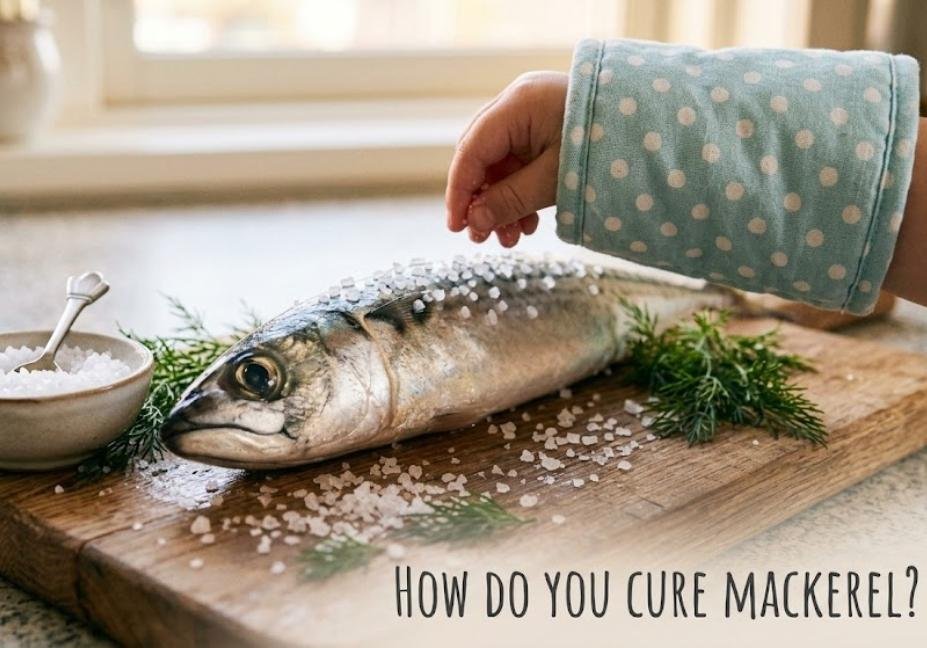
Curing changes the fish by drawing moisture from its surface and seasoning the flesh. Salt helps the flesh become firmer, while sugar balances the salty taste. Herbs and spices add more flavor.
There are several ways to prepare cured mackerel:
- Salt and sugar curing: A dry mixture seasons the fish and draws out moisture.
- Vinegar curing: An acidic liquid gives the fish a sharp, tangy flavor and changes its texture.
- Salt curing followed by vinegar: Some recipes use both methods for a firmer texture and a balanced flavor.
These methods are not the same as cooking fish with heat. The US Food and Drug Administration’s seafood safety guidance explains that raw or undercooked seafood can carry foodborne risks even when it looks and smells fresh.

Ingredients for Curing Mackerel
A basic salt and sugar cure uses a few simple ingredients. The exact quantities and curing time should come from a tested recipe suited to the size and thickness of your fillets.
Main Ingredients
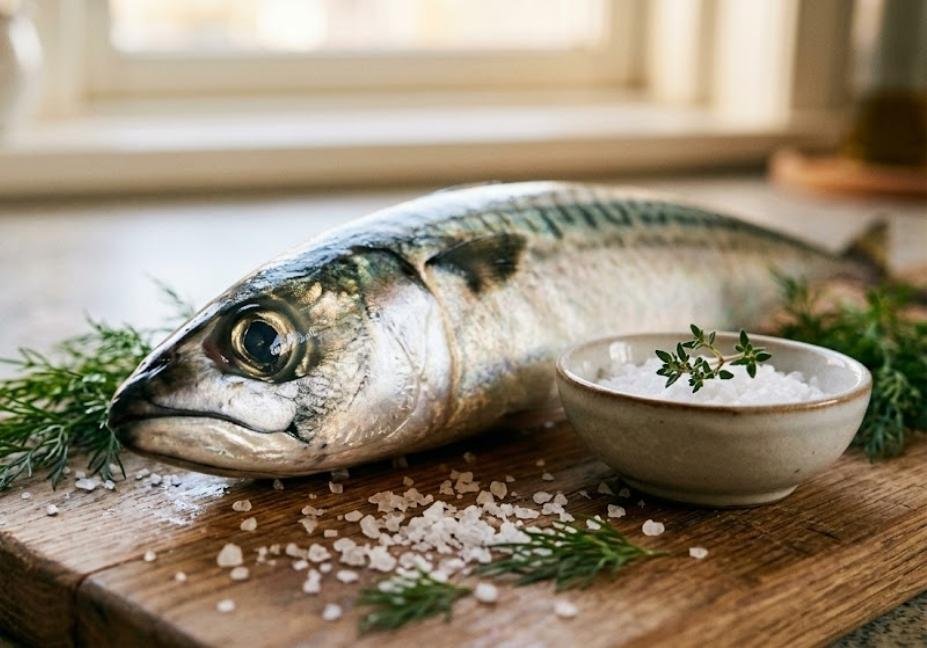
- Fresh mackerel fillets with the skin on, if desired.
- Salt for seasoning and drawing out moisture.
- Sugar to balance the salt.
- Fresh dill for a mild herbal flavor.
- Black pepper for a little warmth.
You can also use lemon zest, crushed coriander seeds or other herbs for flavor. Keep extra ingredients modest so they do not hide the natural taste of the fish.
Choosing the Right Fish
Start with mackerel from a reliable fish supplier. The fish should have been handled and kept cold properly. Ask the supplier whether it is suitable for raw preparation and whether it has undergone the required parasite control.
Mackerel can also develop histamine when temperature control fails. Freezing does not remove histamine that has already formed, and salt or vinegar cannot make mishandled fish safe. For this reason, proper handling from catch to preparation matters just as much as the curing method.
How to Cure Mackerel Step by Step
The method below explains the basic process for preparing salt cured mackerel. It is a preparation guide, not a validated recipe for making raw fish safe to eat. If you plan to serve the fish without cooking it, use a tested recipe and fish that meets the required parasite control standards.
Step 1: Prepare the Fish
Use cleaned mackerel fillets rather than whole ungutted fish. Remove any remaining bones with clean tweezers and check the flesh carefully.
Keep the fish cold while you work. Wash your hands and clean the cutting board, knife and other tools after they touch raw fish.
Step 2: Mix the Cure
Combine salt and sugar according to a tested recipe for your fillet size. Mix them well so the cure spreads evenly.
You can add chopped dill and crushed black pepper for flavor. Avoid guessing the proportions because too little salt or an unsuitable curing process can affect both the result and safety.
Step 3: Cover the Fillets
Place the fish in a clean, food safe dish. Apply the cure evenly over the flesh, paying attention to the thicker areas.
If you are preparing several fillets, follow the recipe instructions for layering them. Make sure the fish stays refrigerated throughout the process.
Step 4: Refrigerate for the Specified Time
Cover the dish and place it in the refrigerator. Follow the curing time given in your chosen recipe rather than relying on a general time for every fillet.
Thickness, the amount of salt and the method all affect the result. Curing for longer does not automatically make the fish safer.
Step 5: Remove Excess Cure
When the recipe’s curing period ends, follow its instructions for removing the salt and herbs. Some methods call for a brief rinse, while others recommend scraping away the cure.
Pat the fish dry with clean paper towels if the recipe directs you to do so. Avoid returning the fish to a surface or container that held uncured fish unless you have cleaned it properly.
Step 6: Slice and Serve Safely
Use a clean, sharp knife to cut the fish into thin slices. Mackerel can have fine bones, so check each portion before serving.
Keep the finished fish refrigerated and follow a reliable recipe’s storage instructions. If the recipe does not provide a verified storage period, do not assume the cured fish will keep for several days.
Salt Curing vs. Vinegar Curing
Both methods change the flavor and texture of mackerel, but they work in different ways.
| Feature | Salt curing | Vinegar curing |
|---|---|---|
| Main ingredient | Salt, often with sugar | Vinegar |
| Main effect | Draws out moisture and seasons the fish | Adds acidity and changes the texture |
| Flavor | Salty and savory | Tangy and sharp |
| Texture | Can become firmer | Can become firmer and more opaque |
| Common additions | Dill, pepper and sugar | Herbs, spices and sometimes sugar |
Some recipes combine the two methods. For example, a mackerel preparation may use salt first and vinegar afterward.
Important: Neither salt nor vinegar alone guarantees that raw fish is safe. The FDA’s seafood safety advice recommends cooking seafood thoroughly as the safest way to reduce foodborne illness risk.
How to Know When Mackerel Is Cured
Cured mackerel often feels firmer than it did before curing. The flesh may also look more compact, and its surface may appear less moist.
However, these changes are signs of texture, not proof of safety. Fish can look ready while still carrying harmful microorganisms or parasites.
Use the specified curing time and method from a reliable recipe. Do not rely on color, smell or firmness alone to decide whether fish is safe to eat.
Common Mistakes When Curing Mackerel
Using Too Much or Too Little Salt
Changing the salt amount can affect the flavor and texture. It can also change how well the curing method works.
Measure the ingredients according to a tested recipe. Do not assume that adding extra salt will make an unsafe process safe.
Leaving the Fish at Room Temperature
Mackerel needs proper temperature control. Leaving it out while the cure works can allow harmful bacteria to grow.
Keep the fish refrigerated throughout preparation. The FDA also notes that histamine can develop in mackerel when temperature control fails, and once formed, it cannot be removed by cooking, freezing or washing.
Using Fish of Unknown Quality
A strong smell, slimy surface or other signs of spoilage should make you reject the fish. However, fish can contain harmful levels of histamine without obvious signs of spoilage.
Buy from a reliable supplier and make sure the fish has been handled correctly from the start.
Assuming Vinegar Cooks the Fish
Vinegar can change the color and texture of fish. That change is not the same as cooking it with heat.
If you are unsure whether the fish is suitable for raw consumption, cook it thoroughly instead.
Storing Cured Fish Without Clear Guidance
Salt curing does not automatically make fish shelf stable. Do not leave cured mackerel at room temperature or assume it can be stored for a long period in the refrigerator.
Follow a validated storage method. If you cannot confirm the safe storage period for your particular preparation, choose a cooked recipe instead.
How to Serve Cured Mackerel
Cured mackerel has a rich flavor that pairs well with fresh, crisp and tangy foods. If you use a recipe intended for safe raw consumption, try these serving ideas.
With Bread or Toast
Serve thin slices with rye bread, toast or crisp crackers. Add a little fresh dill or a small amount of lemon for extra flavor.
With a Fresh Salad
Pair the fish with cucumber, leafy greens, radishes and a light dressing. The fresh vegetables can balance the rich taste of mackerel.
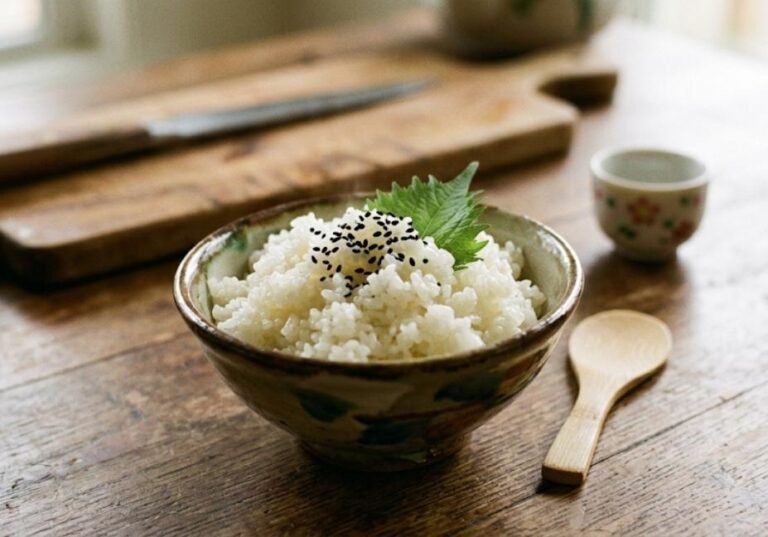
With Rice
Serve a suitable cured or cooked mackerel preparation with rice and vegetables for a simple meal. If you are new to curing fish, cooked mackerel is the safer choice.
With Mustard and Dill Sauce
Mustard and dill work well with the savory flavor of mackerel. You can mix mustard with fresh dill and a little vinegar for a tangy sauce.
Can You Freeze Mackerel Before Curing?
Freezing can help control certain parasites when the fish undergoes the correct time and temperature treatment. However, an ordinary home freezer may not meet the requirements for raw fish preparation.
The FDA’s seafood guidance explains that freezing can kill some parasites, but it does not kill every harmful germ. For this reason, buy fish with suitable documented parasite controls if you intend to serve it raw or cured without cooking.
Freezing also cannot reverse histamine formation caused by poor temperature control. Start with properly handled fish and do not use freezing as a way to rescue fish that may have spoiled.
How to Store Cured Mackerel
Storage depends on the curing method and whether the fish will be cooked before eating. A short salt cure is not the same as a commercially validated preserved fish product.
- Keep the fish refrigerated during preparation and storage.
- Use clean, covered food safe containers.
- Prevent contact with raw meat, other raw fish and ready to eat foods.
- Follow a tested recipe’s specific storage instructions.
- Discard fish that has been mishandled or shows signs of spoilage.
Do not rely on salt, vinegar or an airtight container to make mackerel safe for long term storage. If you want a product that keeps for an extended period, use a validated preservation method rather than an improvised home cure.
Frequently Asked Questions
How long does it take to cure mackerel?
The time depends on the curing method and the thickness of the fillets. Follow a tested recipe’s instructions instead of using one fixed time for every piece of fish.
Can you eat cured mackerel raw?
Some cured mackerel recipes are intended for uncooked fish, but curing does not guarantee safety. Use fish with appropriate parasite controls and follow reliable food safety guidance.
Does vinegar cure mackerel?
Yes. Vinegar changes the flavor and texture of mackerel. However, vinegar does not guarantee that harmful microorganisms or parasites have been eliminated.
Is cured mackerel the same as smoked mackerel?
No. Curing uses ingredients such as salt, sugar or vinegar. Smoking exposes fish to smoke, and some smoking methods also use heat. The processes produce different flavors and textures.
Can you freeze cured mackerel?
Freezing may be suitable for some preparations, but it does not remove histamine that has already formed. Follow a validated recipe’s freezing instructions and use properly handled fish.
Final Tips for Curing Mackerel
Curing mackerel can give fish a firmer texture and a rich, savory flavor. Salt, sugar, herbs and vinegar can all play a role, depending on the method you choose.
For the best results, follow a reliable recipe with clear measurements and timing. Most importantly, treat food safety as part of the process, not an optional extra. If you cannot verify that the fish is suitable for uncooked preparation, cook it thoroughly before serving.