
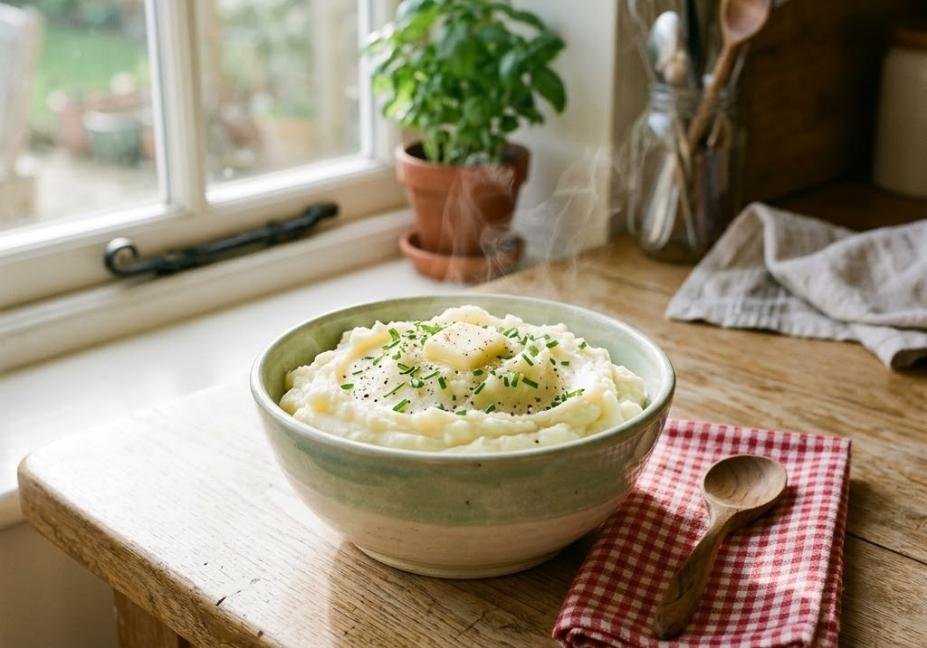
Low Calorie Mashed Potatoes Recipe: Creamy & Easy
Mashed potatoes are a classic comfort-food side dish, but traditional recipes can become high in calories when they contain large amounts of butter, heavy cream, cheese, or sour cream. This low calorie mashed potatoes recipe keeps the familiar creamy texture while using lighter ingredients.
The recipe combines potatoes with plain Greek yogurt, low-sodium broth, a small amount of butter, garlic, and simple seasonings. The result is creamy, flavorful mashed potatoes that work well with chicken, fish, vegetables, or a balanced dinner.
Also read the article : How to Freeze Spinach: Easy Step-by-Step Guide
Quick Answer
How can mashed potatoes be made low calorie?
Mashed potatoes can be made lower in calories by reducing butter and heavy cream and using ingredients such as low-fat Greek yogurt, low-sodium broth, or low-fat milk. Garlic, herbs, and black pepper can add plenty of flavor without adding many calories.
Low Calorie Mashed Potatoes at a Glance
| Detail | Recipe |
| Prep time | 10 minutes |
| Cook time | 20 minutes |
| Total time | About 30 minutes |
| Servings | 6 |
| Main ingredient | Potatoes |
| Texture | Creamy and fluffy |
| Calories | About 145 to 150 per serving |
| Best potatoes | Yukon Gold or Russet |
| Main lighter ingredient | Plain Greek yogurt |
Nutrition can vary based on potato size, yogurt brand, broth, and serving size. The calorie estimate is therefore an approximation rather than a laboratory measurement.
Also read the article : Restaurant Style Caramel Popcorn Recipe: Easy & Crunchy
Why This Low Calorie Mashed Potatoes Recipe Works
The main goal is not to remove everything that makes mashed potatoes enjoyable. Instead, the recipe uses smaller amounts of calorie-dense ingredients and lets the potatoes provide most of the volume.
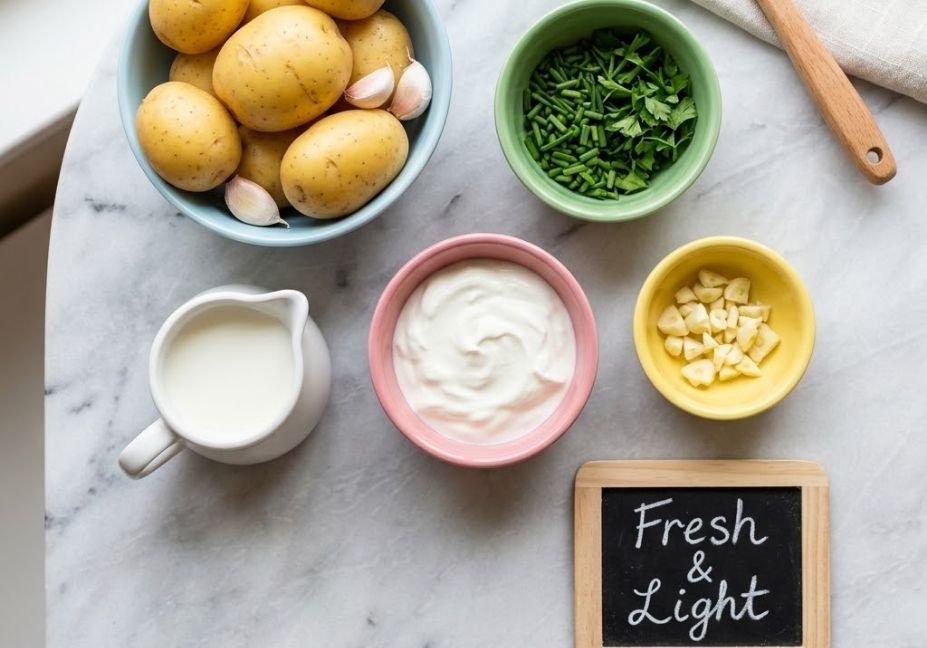
Greek yogurt gives the mash a creamy texture and a mild tang. Low-sodium broth adds savory flavor while helping the potatoes reach the right consistency. A small amount of butter keeps the familiar buttery taste without making it the main ingredient.
Garlic is another useful addition. It gives the potatoes a stronger flavor, which means the recipe does not need large amounts of butter, cream, or cheese to taste satisfying.
Also read the article : 5-Ingredient Protein Shake Recipe
Ingredients
For about six servings, the following ingredients work well:
- 2 pounds Yukon Gold or Russet potatoes
- 1/2 cup plain nonfat or low-fat Greek yogurt
- 1/2 cup low-sodium vegetable or chicken broth
- 1 tablespoon unsalted butter
- 2 garlic cloves, peeled
- 1/2 teaspoon salt, plus more to taste
- 1/4 teaspoon black pepper
- 1 tablespoon chopped fresh chives or parsley
Russet potatoes can produce a lighter and fluffier mash because of their higher starch content.
Potato skins can contribute additional fiber, although completely peeled potatoes create a smoother mash.
Also read the article : Dairy-Free Tiramisu Recipe: Easy, Creamy, Easy No-Dairy Treat
How to Make Low Calorie Mashed Potatoes
1. Prepare the Potatoes
Wash the potatoes thoroughly. Peel them if a completely smooth texture is preferred, then cut them into similar-sized pieces.
Keeping the pieces close in size helps them cook at the same rate.
Place the potatoes and peeled garlic cloves in a large pot. Add enough cold water to cover the potatoes.
2. Cook Until Tender
Bring the water to a boil, then reduce the heat and simmer until the potatoes can be easily pierced with a fork.
This usually takes about 15 to 20 minutes, depending on the size of the potato pieces.
Avoid cooking the potatoes far beyond the point of tenderness. Overcooked potatoes can absorb too much water and make the finished mash loose.
3. Drain Thoroughly
Drain the potatoes well. Return them to the warm pot and let them sit over low heat for about one minute.
This short step helps excess moisture evaporate.
Dry potatoes are easier to turn into creamy mashed potatoes without adding large amounts of dairy.
4. Warm the Broth
Warm the broth gently in a small saucepan or microwave-safe container.
The broth does not need to boil. It simply needs to be warm enough to blend smoothly with the potatoes.
5. Mash the Potatoes
Add the Greek yogurt, warm broth, butter, cooked garlic, salt, and black pepper.
Use a potato masher to mash everything together until the desired texture is reached.
For extra-smooth mashed potatoes, a potato ricer can be used before adding the other ingredients.
Avoid using a blender or food processor. Aggressive mixing can release too much starch and create a sticky, gummy texture.
6. Adjust the Texture
Check the consistency before adding more liquid.
If the mashed potatoes are too thick, add warm broth one tablespoon at a time. If they are too loose, allow them to sit in the warm pot for a short time so some moisture can evaporate.
Finish with chopped chives or parsley and serve warm.
How to Make Mashed Potatoes Creamy Without Heavy Cream
Heavy cream is not necessary for creamy mashed potatoes.
The combination of properly cooked potatoes, Greek yogurt, warm broth, and a small amount of butter provides enough moisture and richness for a smooth texture.
The cooking technique matters just as much as the ingredients. Potatoes should be drained thoroughly, excess moisture should evaporate, and the potatoes should be mashed gently.
Another useful trick is to warm the liquid before adding it. Cold ingredients can cool the potatoes and make it harder to achieve a smooth consistency.
Can Greek Yogurt Replace Butter or Cream?
Greek yogurt can replace part of the cream or sour cream commonly used in mashed potatoes. It adds creaminess and a mild tang while also providing protein.
Plain nonfat Greek yogurt is the lightest option. Low-fat Greek yogurt can be used when a slightly richer texture is preferred.
For the best flavor, plain yogurt should be used rather than sweetened or flavored yogurt.
A small amount of butter can still be included if the classic buttery flavor is important. Removing butter completely is also possible.
How to Make Low Calorie Mashed Potatoes Without Butter
For a completely butter-free version, simply leave out the butter and increase the warm broth slightly as needed.
Greek yogurt provides richness, while garlic, pepper, chives, and broth help maintain a strong savory flavor.
A small amount of extra-virgin olive oil can also be used, but it is still calorie-dense. Therefore, removing butter does not automatically make olive oil a low-calorie ingredient.
For the lowest-calorie approach, broth, Greek yogurt, garlic, herbs, and seasoning can provide plenty of flavor without adding much fat.
How to Reduce the Calories Further
There are several ways to make this recipe even lighter.
Use Less Butter
The easiest change is reducing the butter from one tablespoon to one teaspoon or leaving it out completely.
Choose Nonfat Greek Yogurt
Nonfat Greek yogurt provides a creamy texture with less fat than full-fat dairy products.
Add Cauliflower
Replacing part of the potatoes with cooked cauliflower can reduce the calorie density of the dish while increasing the vegetable content.
A simple approach is to use one pound of potatoes and one pound of cauliflower. Cook both until tender, drain them very well, and mash them together.
Cauliflower-based mashed recipes are also commonly used as a lower-calorie and lower-carbohydrate alternative to traditional mashed potatoes.
Increase Flavor Instead of Fat
Garlic, fresh herbs, black pepper, roasted garlic, onion powder, smoked paprika, and chives can make the dish more flavorful without requiring large amounts of butter or cream.
Also read the article : 10 Best Falafel Substitute Ingredients for Every Diet
Which Potatoes Are Best for Low Calorie Mashed Potatoes?
Both Yukon Gold and Russet potatoes work well, but they create slightly different results.
Yukon Gold potatoes have a naturally buttery flavor and produce a creamy, dense mash. They can be a good choice when less added fat is desired.
Russet potatoes have a higher starch content and can produce a lighter, fluffier texture. They are especially useful when fluffy mashed potatoes are preferred.
Red potatoes can also work. They produce a firmer, slightly rustic mash and can be cooked with the skins on.
The calorie difference between potato varieties is generally less important than the amount of butter, cream, cheese, and other additions used in the recipe.
Common Mistakes to Avoid
Adding Too Much Liquid
Start with a small amount of broth and add more gradually. Too much liquid can turn mashed potatoes watery.
Overmixing
Overmixing can make potatoes gummy and sticky. A potato masher gives good control over the texture.
Using Cold Dairy
Warm broth or milk blends more easily into hot potatoes and helps maintain a creamy consistency.
Skipping the Drainage Step
Waterlogged potatoes need less additional liquid and can become loose when mashed. Drain them thoroughly and allow some steam to escape before adding the other ingredients.
Adding Too Much Butter
Butter adds flavor, but it also increases calories quickly. A small amount can provide the desired taste without dominating the recipe.
Storage and Reheating
Leftover mashed potatoes should be transferred to an airtight container and refrigerated promptly.
For the best texture, use leftovers within several days. When reheating, add a small splash of broth or milk and stir gently.
Microwave individual portions in short intervals, stirring between heating periods. A saucepan over low heat also works well.
If the potatoes become dry after refrigeration, a little warm broth can restore some of their creamy consistency.
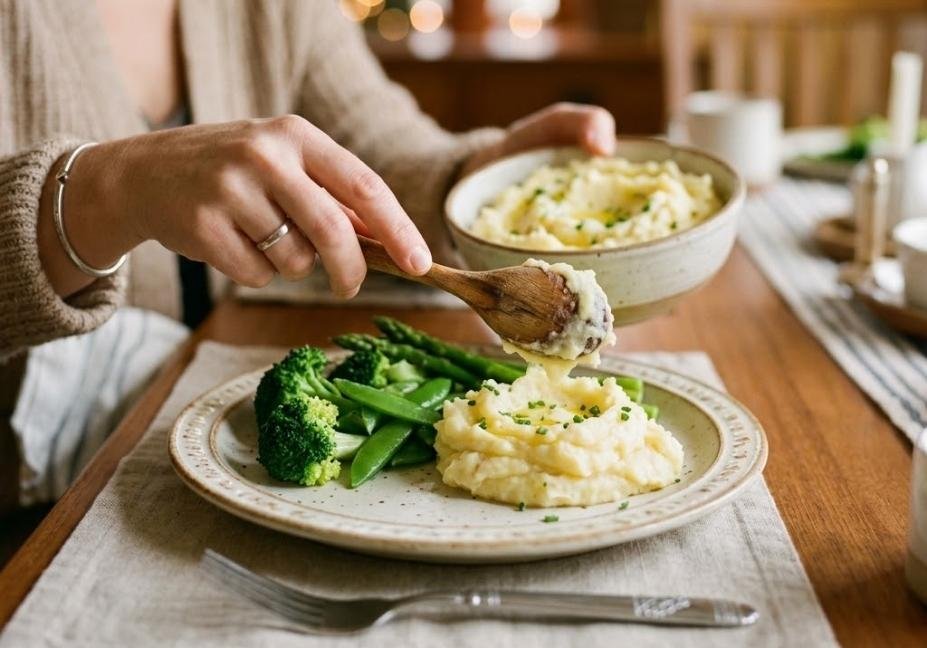
What to Serve With Low Calorie Mashed Potatoes
These mashed potatoes work as a side dish for many balanced meals.
They pair especially well with:
- Grilled chicken
- Roasted chicken breast
- Baked fish
- Turkey
- Lean beef
- Green beans
- Roasted carrots
- Steamed broccoli
- Mixed vegetables
- Mushroom gravy
For a calorie-conscious meal, the potatoes can be served with a lean protein source and plenty of vegetables.
Are Mashed Potatoes Healthy?
Mashed potatoes can fit into a balanced diet. The nutritional profile depends heavily on the ingredients added during preparation.
Plain potatoes provide carbohydrates and several nutrients, while the addition of large amounts of butter, cream, cheese, or rich sauces can substantially increase calories and saturated fat.
This lighter recipe focuses on portion size, moderate amounts of added fat, Greek yogurt, broth, garlic, and herbs.
The term “healthy” also depends on a person’s overall dietary needs. A lower-calorie recipe is not automatically better for every person or every meal.
Can This Recipe Be Made Ahead?
Yes. The potatoes can be prepared ahead and refrigerated in an airtight container.
When serving, reheat them gently and add a small amount of warm broth or milk if the texture has become too thick.
For a special meal, preparing the potatoes ahead can reduce kitchen work immediately before serving.
Frequently Asked Questions
Are mashed potatoes low calorie?
Plain potatoes are not especially high in calories, but traditional mashed potatoes can become calorie-dense because of butter, cream, cheese, and other additions. Using smaller amounts of these ingredients can create a lighter version.
How many calories are in low calorie mashed potatoes?
This recipe provides approximately 145 to 150 calories per serving when divided into six servings. The actual amount varies according to potato size and the specific brands of yogurt and broth used.
Can mashed potatoes be made without butter?
Yes. Greek yogurt and warm broth can provide creaminess without butter. Garlic, herbs, and black pepper can add flavor.
What is the best potato for creamy mashed potatoes?
Yukon Gold potatoes are naturally creamy and buttery, while Russet potatoes produce a lighter and fluffier texture. Both are suitable for this recipe.
How do you make mashed potatoes less gummy?
Avoid overmixing the potatoes. Use a potato masher or ricer instead of a blender or food processor, and mash only until the desired texture is reached.
Can Greek yogurt be used in mashed potatoes?
Yes. Plain Greek yogurt works well in mashed potatoes and can replace some of the cream, sour cream, or milk. It also adds protein.
Can cauliflower be added to mashed potatoes?
Yes. Part of the potatoes can be replaced with cooked cauliflower. This creates a lighter mash and can reduce the overall carbohydrate and calorie density.
How do you fix watery mashed potatoes?
Return the potatoes to a pan over low heat and allow some excess moisture to evaporate. Avoid adding more liquid until the consistency improves.
Key Takeaway
A low calorie mashed potatoes recipe does not need to be bland or watery. The key is using flavorful ingredients in controlled amounts and paying attention to cooking technique.
Yukon Gold or Russet potatoes, Greek yogurt, warm broth, garlic, a small amount of butter, and fresh herbs create a creamy side dish without relying on heavy cream. For an even lighter version, part of the potatoes can be replaced with cauliflower.
The most important technique is simple: cook the potatoes until tender, drain them well, avoid excess liquid, and do not overmix.
Also read the article : Pancakes for Diabetics: Healthy Recipe and Breakfast Guide
Conclusion
These low calorie mashed potatoes offer a simple way to enjoy a classic side dish with a lighter ingredient profile. Greek yogurt adds creaminess, broth adds savory flavor, and a small amount of butter keeps the familiar taste.
The recipe can also be adapted for different preferences. Butter can be removed, cauliflower can replace part of the potatoes, and fresh herbs can add extra flavor.
With the right potato, careful cooking, and gentle mashing, a lighter mashed potato recipe can still be creamy, fluffy, and satisfying.



5 Comments