

Homemade Syrup vs Store Bought Syrup: Which Is Better?
Syrup is a useful ingredient in many kitchens. It adds sweetness and flavor to coffee, tea, lemonade, mocktails, desserts, pancakes and other favorite foods. While store bought syrups are easy to find and convenient to use, homemade syrups offer a different experience with customizable ingredients and flavors.
Choosing between homemade syrup and store bought syrup depends on several factors, including convenience, cost, ingredients, flavor, storage and how often you use syrup. Homemade versions can be simple to prepare with sugar, water and fruit or other flavoring ingredients. Store bought options offer ready to use sweetness in a wide range of flavors and consistencies.
Neither option is automatically better for every situation. A homemade fruit syrup may be ideal when you want a fresh berry flavor, while a commercially prepared coffee syrup may be more convenient when you need the same flavor every morning.
Understanding the differences can help you choose the right option for your kitchen, budget and recipes.
What Is Homemade Syrup?
Homemade syrup is a sweet liquid prepared in your own kitchen using ingredients such as sugar, water, fruit, spices, herbs or flavor extracts. The exact ingredients depend on the type of syrup you want to make.
A basic simple syrup usually combines sugar and water. The mixture is heated until the sugar dissolves, then cooled before use. You can create flavored versions by adding ingredients such as strawberries, cherries, blueberries, ginger, cinnamon, vanilla or mint.
Homemade syrup is flexible because you can adjust the sweetness, flavor and consistency according to your preferences.
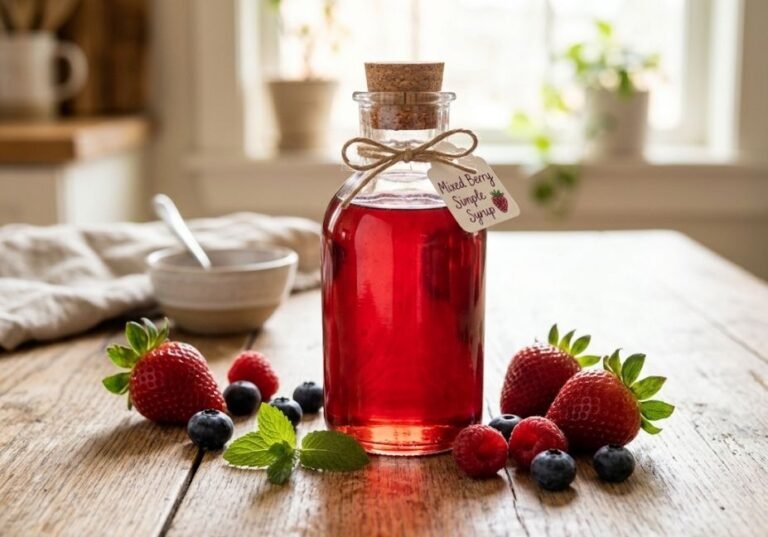
For example, a homemade strawberry syrup can be made by simmering strawberries with sugar and water. A ginger syrup can be prepared by infusing the liquid with fresh ginger. Coffee lovers can also make flavored syrups for iced coffee and other drinks.
One important point is that homemade syrup does not always mean sugar free, preservative free or healthier. The nutritional content depends on the ingredients and proportions used.

What Is Store Bought Syrup?
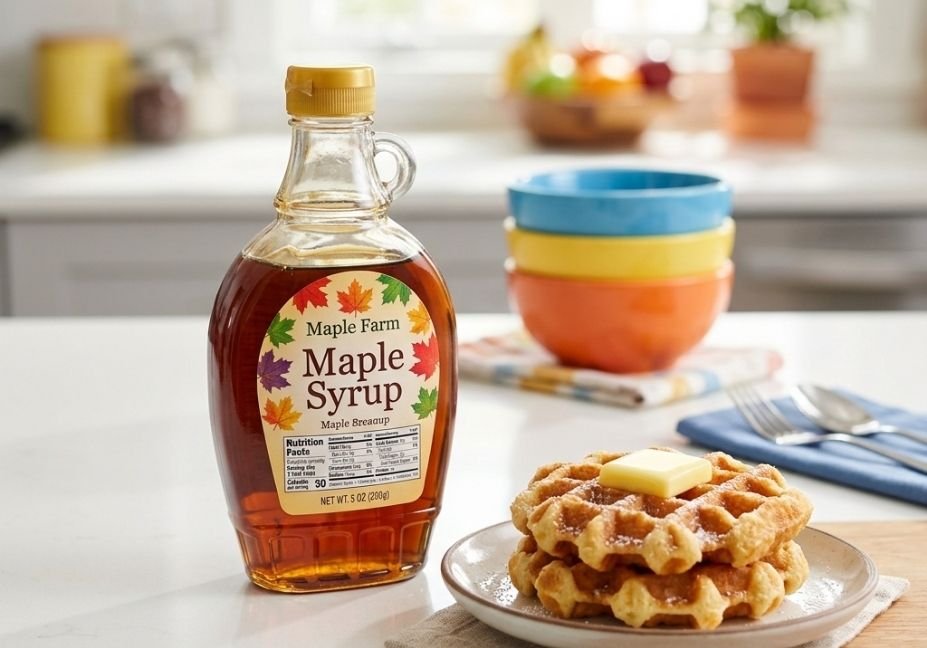
Store bought syrup is a commercially prepared product sold in grocery stores, supermarkets, specialty shops and online retailers. It comes in many varieties, including simple syrup, pancake syrup, maple syrup, fruit syrup, coffee syrup and sugar free flavored syrup.
Different products have different ingredients and uses. Some contain sugar, water and natural or artificial flavorings. Others may include fruit concentrates, sweeteners, thickeners, acidity regulators or preservatives.
Some products are made primarily from maple sap, while others are formulated to imitate maple flavor. These products may look similar but are not necessarily the same.
Store bought syrup is convenient because it is ready to use. You do not need to prepare ingredients, cook a mixture or strain fruit before adding it to a drink or dessert.
However, the ingredient list and storage instructions vary by product. Reading the label is the best way to understand what a particular syrup contains and how it should be stored.
Homemade Syrup vs Store Bought Syrup: Key Differences
Both options can add sweetness and flavor, but they differ in several important ways.
1. Ingredients and Control
One of the main advantages of homemade syrup is control over the ingredients.
When preparing syrup at home, you choose the type of sugar, fruit, spices and flavorings. You can make a basic syrup with only sugar and water or add fresh ingredients for a more distinctive flavor.
This control is useful if you prefer a particular fruit combination or want to avoid an ingredient you do not enjoy.
Store bought syrup offers less control over the formulation because the manufacturer determines the ingredients. However, the label allows you to compare products and select one that suits your preferences.
Which is better? Homemade syrup is often preferable when ingredient control matters most. Store bought syrup can still be a suitable choice when you check the label and find a product that meets your needs.
2. Flavor and Freshness
Homemade syrup allows you to experiment with ingredients and create flavors that suit a particular recipe.
Fresh strawberries, cherries, blueberries, lemon zest or ginger can give homemade syrup a recognizable fruit or spice flavor. You can also adjust the balance between sweetness and acidity.
Store bought syrups are available in many flavors, including options that may be difficult or time consuming to recreate at home. Commercial formulations can also provide a consistent flavor from one bottle to the next.
The taste difference depends on the products being compared. A homemade fruit syrup may have a different flavor from a commercial fruit flavored syrup, but a well made store bought product can also taste delicious.
Which is better? Homemade syrup is useful for personalized flavors, while store bought syrup is convenient when you want a familiar, consistent taste.
3. Convenience and Preparation Time
Store bought syrup is usually the easiest option when you need something immediately. Open the bottle, measure the amount you need and add it to your recipe.
Homemade syrup requires more work. You may need to wash and cut fruit, measure ingredients, heat the mixture, strain it and wait for it to cool. The preparation is generally straightforward, but it takes more time than opening a bottle.
Basic simple syrup is relatively quick to make. Fruit syrups can take longer because the fruit needs time to release its flavor and the mixture may need straining.
Which is better? Store bought syrup wins for convenience. Homemade syrup is worthwhile when you enjoy preparing ingredients or want a specific flavor.
4. Cost and Budget
The cost of homemade syrup depends on the ingredients you use and the amount you prepare.
Sugar and water are inexpensive pantry staples in many kitchens. However, fresh berries, vanilla beans, specialty spices and other flavorings can increase the cost. Your time and the amount of syrup produced also matter when comparing prices.
Store bought syrup has a wide price range. Basic products may be inexpensive, while specialty coffee syrups, premium maple syrup and imported fruit syrups can cost more.
A fair comparison considers the cost per usable serving rather than only the price of one bottle or batch.
Which is better? Homemade syrup can be economical for simple recipes, especially when you already have the ingredients. Store bought syrup may offer better value when a product is inexpensive, used frequently or difficult to reproduce at home.
5. Sugar Content and Sweetness
Homemade syrup gives you the ability to adjust the amount of sugar. You can make it more or less sweet according to your preference.
However, homemade syrup made with sugar is still a source of added sugar. Using fresh fruit does not automatically make it low in sugar.
Store bought syrups vary considerably. Some contain substantial amounts of sugar, while others use alternative sweeteners or are marketed as sugar free.
The best way to compare them is to read the nutrition label and check the serving size, total sugars and added sugars where listed.
Which is better? Homemade syrup provides more control over the recipe, but store bought options may offer convenient sugar free alternatives. Neither is automatically lower in sugar without checking the actual ingredients and nutrition information.
6. Preservatives and Additives
Homemade syrup can be prepared with a short ingredient list. A basic version may contain only sugar and water, while a fruit syrup may also include fresh fruit and lemon juice.
Commercial syrups may contain preservatives, stabilizers, acidity regulators, colorings or flavorings, depending on the product. Some contain very few ingredients, while others have more complex formulations.
Preservatives are used in some products to help maintain quality or control spoilage. Their presence does not automatically mean a product is unsafe, just as a short ingredient list does not guarantee that a homemade product is safe to store for a long time.
Which is better? Homemade syrup gives you more control over what goes into the recipe. For store bought syrup, check the ingredient list to see whether it matches your preferences.
7. Shelf Life and Storage
Storage is one of the most important differences between homemade and store bought syrup.
Homemade syrup does not have a universal shelf life. Its keeping quality depends on its ingredients, sugar concentration, preparation method and handling.
Simple homemade syrup should be stored in a clean, airtight container in the refrigerator. Homemade fruit syrups are especially perishable and should generally be used promptly. For a typical homemade berry or cherry syrup, aim to use it within about one week for best quality unless you have reliable, recipe specific storage guidance.
Store bought syrup may be formulated and packaged for a longer storage period. Some products can be kept unopened at room temperature, while others require refrigeration before or after opening.
Always follow the product label. Do not assume that every commercial syrup is shelf stable or that every homemade syrup can be stored safely for the same length of time.
Which is better? Store bought syrup often has the advantage of a clearly stated commercial storage period. Homemade syrup requires more attention to refrigeration and timely use.
8. Consistency and Texture
Homemade syrup can vary slightly from batch to batch. The thickness depends on the amount of sugar and water, the cooking time and the ingredients used.
For example, a fruit syrup may be thinner when freshly made and become slightly thicker after cooling. Fruit pulp can also affect its texture.
Commercial syrups are generally formulated to deliver a particular consistency. This can be useful when preparing coffee drinks, dessert toppings or other recipes that require predictable results.
Which is better? Store bought syrup can be useful when consistent texture is important. Homemade syrup is suitable when you want to adjust the thickness to your preferences.
9. Variety and Customization
Homemade syrup offers many possibilities for experimentation. You can combine strawberries with blueberries, add cinnamon to apple syrup or use fresh ginger for a warming flavor.
You can also make small batches for specific recipes instead of keeping several bottles in the kitchen.
Store bought syrups offer their own advantage: variety without preparation. Depending on where you shop, you may find vanilla, caramel, hazelnut, chocolate, fruit, maple and seasonal flavors.
Some specialty flavors are difficult to recreate exactly at home.
Which is better? Homemade syrup is excellent for personal combinations, while store bought syrup is practical when you want access to a wide range of ready made flavors.
Pros and Cons of Homemade Syrup
Homemade syrup is a useful option for people who enjoy controlling ingredients and trying different flavors. However, it also requires preparation and careful storage.
Advantages of Homemade Syrup
- You control the ingredients and flavor combinations.
- You can adjust sweetness to your taste.
- Fresh fruit, herbs and spices can add distinctive flavors.
- You can prepare small quantities for a particular recipe.
- Basic versions can be economical when made with inexpensive ingredients.
- You can avoid specific ingredients by selecting suitable alternatives.
Disadvantages of Homemade Syrup
- It requires preparation time.
- Fruit syrups may need extra work for washing, chopping and straining.
- Homemade batches can vary in flavor and consistency.
- The syrup generally needs refrigeration.
- It may not last as long as some commercially prepared products.
- Specialty ingredients can make homemade versions expensive.
Homemade syrup is especially appealing when flavor customization matters more than convenience.
Pros and Cons of Store Bought Syrup
Commercial syrup is designed to make everyday cooking and drink preparation easier. Its benefits depend on the product you choose.
Advantages of Store Bought Syrup
- It is ready to use.
- It offers a wide range of flavors.
- It can provide consistent taste and texture.
- The packaging often includes storage instructions and nutritional information.
- Some varieties offer sugar free or reduced sugar options.
- It can be convenient for frequent use.
Disadvantages of Store Bought Syrup
- You have less control over the formulation.
- Some products contain ingredients you may prefer to avoid.
- Specialty varieties can be expensive.
- Flavor may not match the taste of fresh fruit or homemade ingredients.
- Large bottles may be wasteful if you only need a small amount.
- Nutritional content varies, so labels need to be checked.
Store bought syrup can be a practical choice when you value convenience and consistency.
Which Syrup Is Better for Coffee?
The best choice depends on the kind of coffee you make and the flavors you enjoy.
Homemade simple syrup dissolves easily into iced coffee because the sugar is already dissolved in liquid. You can also make homemade vanilla or cinnamon syrup to personalize your drink.
However, commercial coffee syrups are designed for convenient drink preparation. They often come in flavors such as caramel, vanilla and hazelnut, and their consistent texture can make measuring and mixing easier.
If you regularly make the same coffee drink, a store bought syrup may save time. If you enjoy trying new combinations or only use syrup occasionally, a homemade batch may be more suitable.
Remember to consider sweetness. Start with a small amount of either syrup and adjust it to taste.
Which Syrup Is Better for Cocktails and Mocktails?
Both homemade and store bought syrup can work well in cocktails and mocktails.
Homemade fruit syrup is useful when you want the taste of berries, cherries, citrus or other fruit. It can add color and flavor to sparkling water, lemonade and mixed drinks.
Store bought syrup is convenient when you need a particular flavor quickly or want to use the same product for several servings.
For drinks that depend on fresh fruit flavor, homemade syrup can be an appealing choice. For busy occasions or recipes that require a specific commercial flavor, store bought syrup may be easier.
If you are preparing drinks for guests, consider making a small batch of homemade syrup ahead of time and refrigerating it until needed.
Which Syrup Is Better for Pancakes and Desserts?
The type of syrup matters because different products are designed for different uses.
Maple syrup is a distinct product made from concentrated maple sap. Pancake syrup may instead use a different sweetener base and added flavoring. Fruit syrup is another option and can provide a berry, cherry or strawberry taste.
For pancakes, waffles and French toast, choose the type of syrup that complements the dish. Homemade berry syrup is useful when you want a fruity topping, while store bought maple syrup offers its characteristic maple flavor without any preparation.
For ice cream, cakes and yogurt bowls, homemade fruit syrup can add a personal touch. Commercial dessert syrups may be more convenient when you want a ready made chocolate or caramel topping.
Always consider the consistency and sweetness of the syrup when adding it to desserts.
Is Homemade Syrup Healthier Than Store Bought Syrup?
Not necessarily. The answer depends on the ingredients, serving size and nutritional content of the specific syrups being compared.
Homemade syrup gives you control over the recipe, including how much sugar you add. However, a traditional homemade syrup made with sugar and water still contains added sugar.
Store bought syrups vary widely. Some contain sugar as their main ingredient, while others use alternative sweeteners. A sugar free product may have a different nutritional profile, but its ingredients should still be checked if you have specific dietary needs.
Fruit does not automatically make a syrup low in sugar. When berries are cooked with added sugar, the finished syrup still contributes sugar to your diet.
If you are comparing products for nutritional reasons, check the serving size, total carbohydrates, total sugars and added sugars where available. Consider how much you actually use in a drink or recipe rather than comparing products only by their front label claims.
For general everyday use, a practical approach is to choose a syrup that suits your preferences and use an amount that fits your dietary needs.
How to Make a Simple Homemade Syrup
If you want to try making syrup at home, a basic simple syrup is a good starting point.
Ingredients
- 1 cup granulated sugar
- 1 cup water
Instructions
- Add the sugar and water to a small saucepan.
- Heat over medium heat and stir until the sugar dissolves.
- Remove the saucepan from the heat once the liquid is clear and the sugar has dissolved.
- Let the syrup cool.
- Transfer it to a clean, airtight container.
- Refrigerate promptly and use it within a reasonable period, generally about one week for best quality.
This basic syrup is useful in iced coffee, lemonade, iced tea and other drinks.
To make a flavored version, you can infuse the mixture with suitable ingredients such as fresh ginger, cinnamon or fruit. Fruit based versions may require simmering and straining, depending on the recipe.
This simple recipe is intended for refrigerated storage, not for preserving syrup at room temperature.
How to Choose the Right Syrup for Your Needs
If you are still deciding between homemade and store bought syrup, consider how you plan to use it.
Choose homemade syrup if:
- You want to control the ingredients.
- You enjoy experimenting with flavors.
- You need only a small quantity.
- You want to use fresh fruit or spices.
- You do not mind spending a little time preparing it.
Choose store bought syrup if:
- You need a ready to use product.
- You use syrup frequently.
- You want a consistent flavor and texture.
- You prefer a specialty flavor that is difficult to make at home.
- You want to compare commercially labeled nutritional information.
You do not have to choose only one option. Keeping a bottle of your favorite commercial syrup while preparing occasional homemade fruit syrups can offer a practical balance.
Common Mistakes When Comparing Syrups
Assuming Homemade Always Means Healthier
Homemade syrup can contain a large amount of added sugar. Compare ingredients and serving sizes instead of assuming that homemade automatically means healthier.
Comparing Different Types of Syrup
Maple syrup, pancake syrup, simple syrup and fruit syrup are not identical products. Compare products intended for similar uses to make the comparison meaningful.
Ignoring Serving Size
The nutritional contribution depends partly on how much syrup you use. A small drizzle and several tablespoons can provide very different amounts of sugar.
Forgetting Storage Requirements
Homemade syrup often requires refrigeration, while some commercially prepared products have different storage instructions. Follow the guidance for the specific recipe or product.
Buying More Than You Need
A large bottle may seem economical, but it can go unused if you only make a particular drink occasionally. Consider how often you use syrup before purchasing a large container or preparing a big batch.
Frequently Asked Questions
Is homemade syrup cheaper than store bought syrup?
It can be, particularly when you make basic syrup with sugar and water. However, fruit, specialty ingredients and preparation time affect the total cost. Compare the cost per serving for a fair assessment.
Does homemade syrup taste better?
That depends on your preferences and the recipe. Homemade fruit syrup can have a distinctive fruit flavor, while store bought syrups can provide consistent and familiar flavors.
Does store bought syrup last longer?
Some commercially prepared syrups are designed to have a longer storage period than homemade versions. The actual shelf life depends on the product, packaging and storage instructions.
Can I make sugar free syrup at home?
You can experiment with suitable alternative sweeteners, but the result may have a different texture and keeping quality from traditional syrup. Follow a recipe specifically developed for the sweetener you use and refrigerate it as directed.
Is homemade simple syrup the same as maple syrup?
No. Simple syrup is generally made by dissolving sugar in water. Maple syrup is produced by concentrating the sap of maple trees. They have different ingredients, flavors and uses.
Which syrup is best for iced coffee?
Both options work. Homemade simple syrup is convenient for basic sweetness, while commercial coffee syrups offer ready made flavors such as vanilla and caramel.
Can homemade syrup be stored at room temperature?
Do not assume it can. This basic homemade syrup recipe is intended for refrigerated storage. Room temperature storage requires a suitable, validated preparation and preservation method.
Can I use homemade fruit syrup in desserts?
Yes. Homemade fruit syrup can be drizzled over ice cream, pancakes, waffles and yogurt or used in small quantities to add flavor to cakes.
Should I choose syrup with fewer ingredients?
A short ingredient list may suit your preferences, but the number of ingredients alone does not determine nutritional quality or safety. Consider the ingredients themselves, serving size, intended use and storage instructions.
Final Thoughts
The choice between homemade syrup and store bought syrup comes down to your priorities. Homemade syrup offers flexibility, control over ingredients and the opportunity to create personalized fruit and spice flavors. Store bought syrup provides convenience, consistent results and a wide variety of ready to use options.
If you enjoy preparing drinks and desserts from scratch, homemade syrup can be a rewarding addition to your kitchen. If you prefer a quick solution for everyday coffee or want a specialty flavor, store bought syrup may be the more practical choice.
You can also use both. Make fresh fruit syrups when you want a distinctive flavor and keep a commercial option available for busy days.
The best syrup is the one that suits your recipe, budget, taste and storage needs.

2 Comments